Paddling a kayak between floating icebergs with a glacier tongue looming a few hundred meters away is not something most Iceland itineraries can promise. At Sólheimajökull, it's a single afternoon: the lagoon that's formed as the glacier retreats lets you get onto the water, guided, in under two hours, and be back on the Ring Road by dinner.
This guide covers what the tour actually involves, what it costs, what to pack, and how it stacks up against Iceland's other big glacier-lagoon paddle at Jökulsárlón.
What Is Sólheimajökull Glacier Lagoon Kayaking?
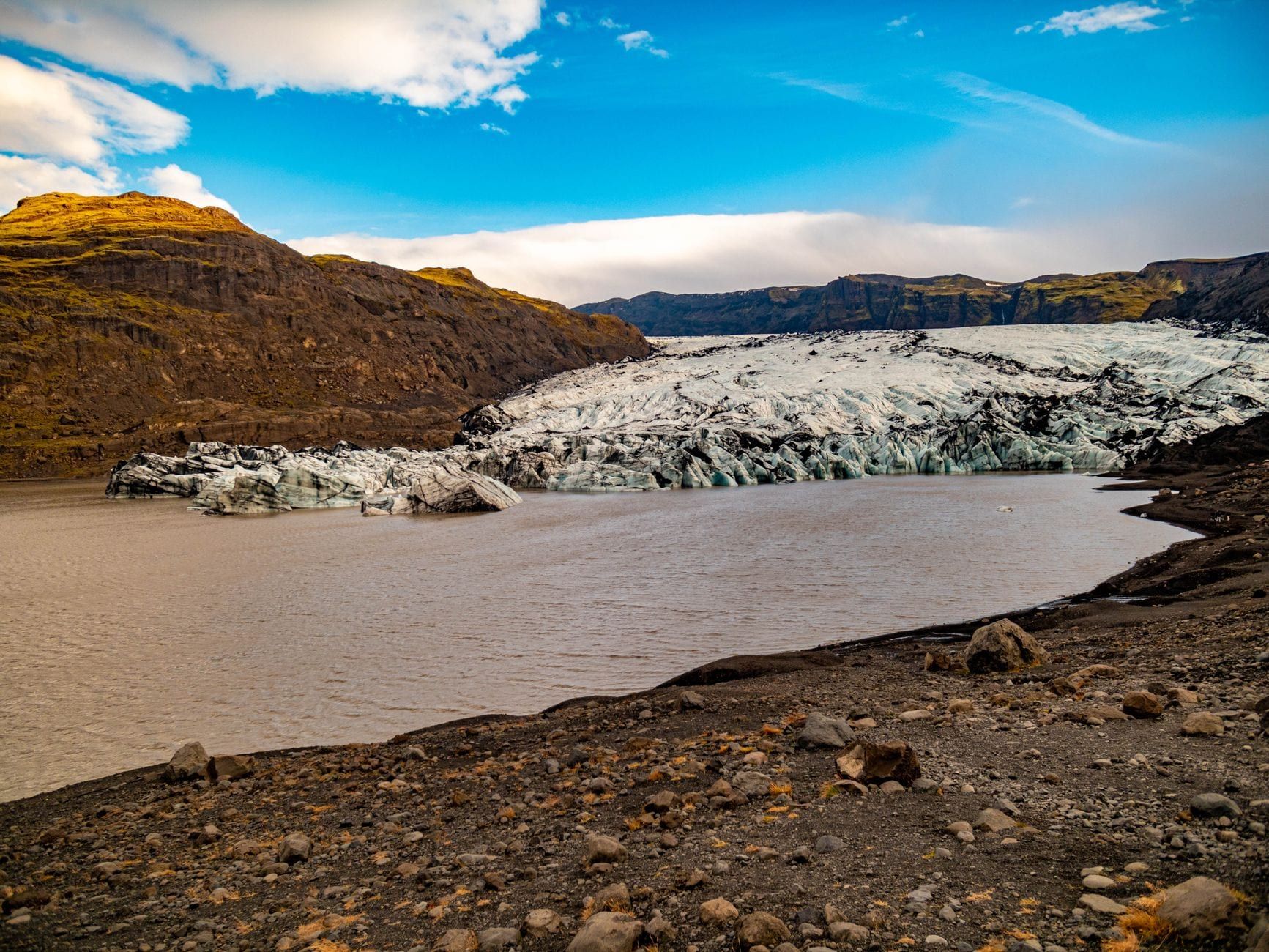
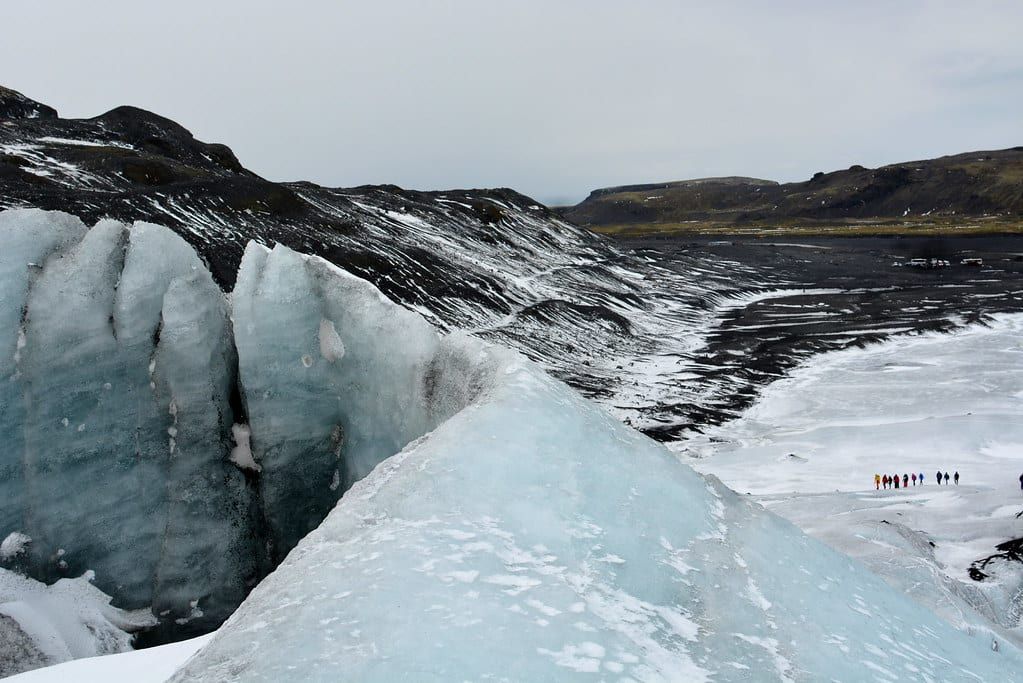
Sólheimajökull is an outlet glacier spilling off the southwest edge of the Mýrdalsjökull ice cap, on Iceland's South Coast between Skógar and Vík. Kayaking here means paddling the proglacial lagoon that's formed where the glacier's snout used to reach — not clipping into crampons and walking on the ice itself. That's the biggest point of confusion for first-time bookers: glacier hiking and ice climbing put you on the ice with a guide and an axe; kayaking keeps you on the water in front of it.
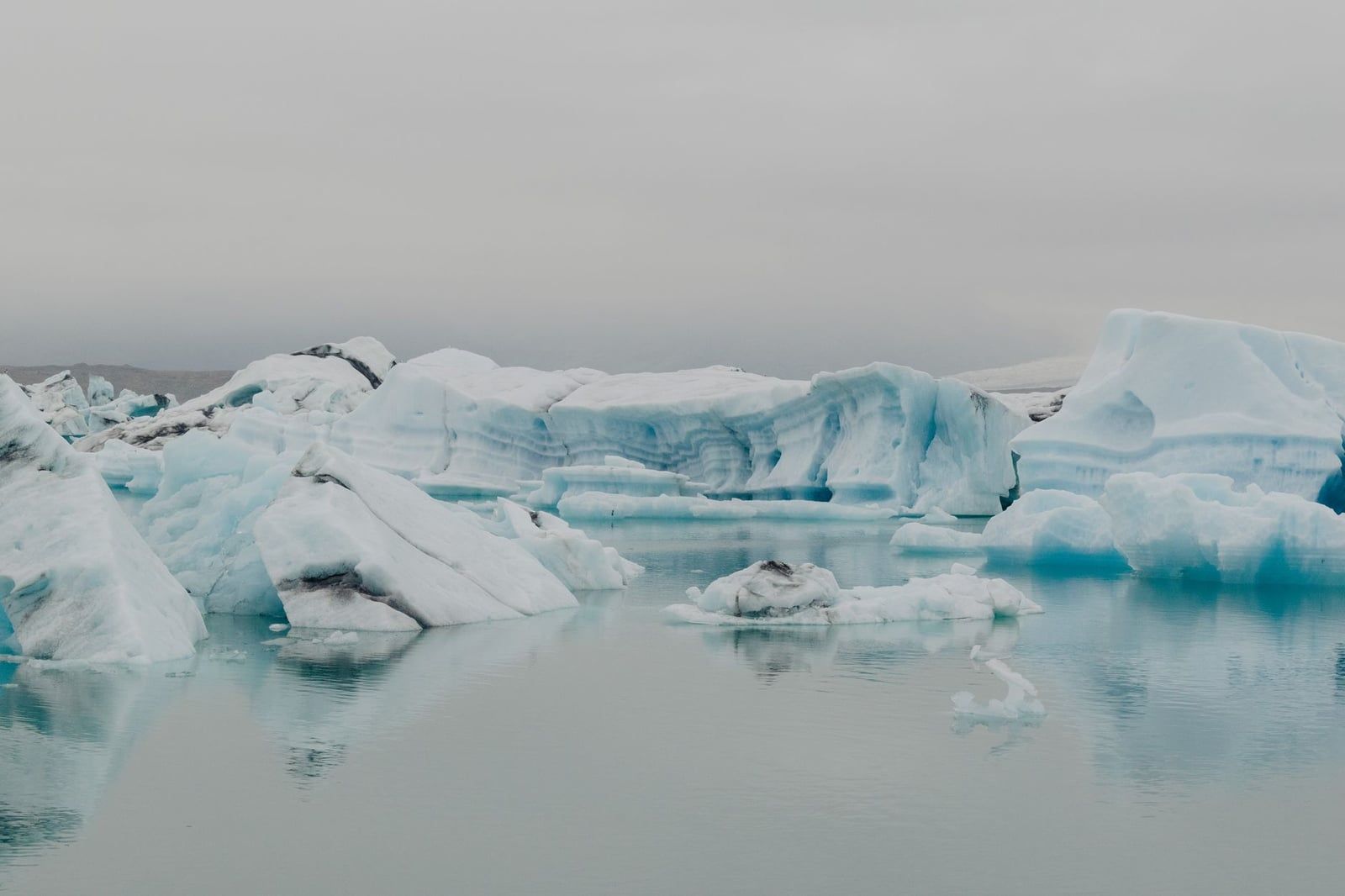
The lagoon exists because the glacier is retreating. As the ice pulls back, meltwater pools in the basin it leaves behind, and chunks calve off the tongue and drift across the surface. Guides route kayaks between these icebergs, threading past moraine walls streaked with volcanic ash from past eruptions, including the 2010 Eyjafjallajökull eruption next door. It's a slow, quiet paddle rather than a workout, and that's the appeal: glacier scenery at eye level instead of from a viewpoint 500 meters back. For more on the wider site and its history, the about page covers what's beyond the lagoon.
Where It Is & How to Get There
Sólheimajökull sits just off Route 1, about 30 km east of Skógafoss and roughly 32 km west of Vík. Turn onto Road 221 (Sólheimajökulsvegur), a short paved side road, and it runs directly to the glacier parking lot — no gravel driving required.
From Reykjavík it's about 158 km, roughly 2 hours 15 minutes by car in good conditions. Most kayaking bookings work one of two ways: self-drive to the parking lot and meet your guide there, or join a tour with pickup from Reykjavík, which turns a half-day activity into a 7-8 hour round trip once transport is added. If you're already road-tripping the South Coast, meeting on location saves hours. Check driving directions and parking details before you go, and note that the Sólheimasandur plane wreck, about 15-20 minutes west, makes an easy add-on on the drive in.
What to Expect on the Tour (Itinerary & Duration)
A typical booking runs 1.5-2 hours door to door, but only about 45-60 minutes of that is spent on the lagoon. The rest goes to fitting drysuits, a land briefing, and the short walk to and from the put-in point.
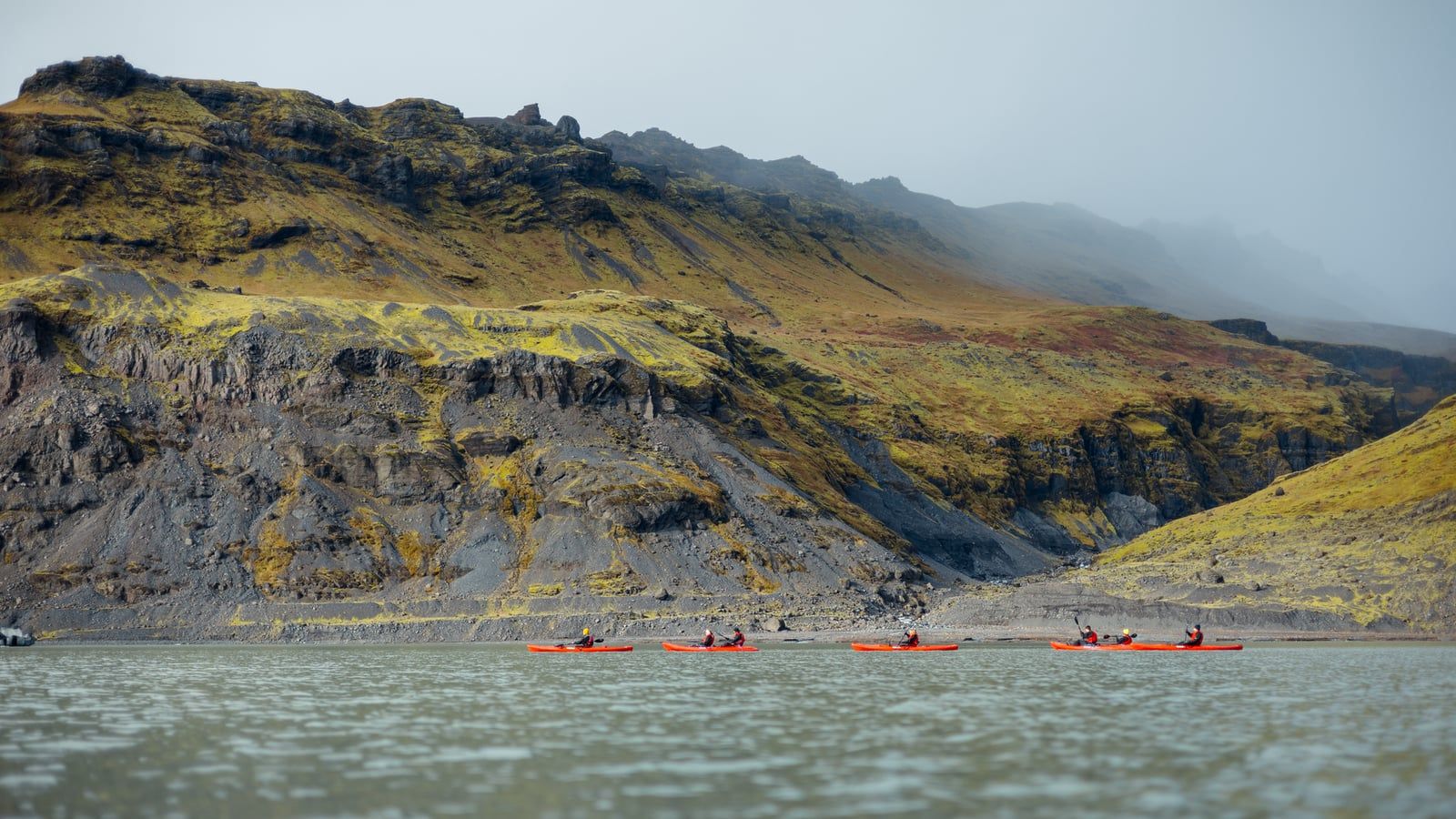
Guides cover paddle strokes and basic safety on dry land before anyone gets in a kayak. Most tours use stable two-person or single kayaks built for flat water, not whitewater boats, so balance isn't really a concern. Once on the lagoon, the group follows the guide in a loose line, weaving around icebergs and pausing near the glacier tongue for photos. The pace is unhurried, and guides know which parts of the ice front are actively calving and steer well clear of them. Bring a dry bag or waterproof case for your phone — soaked electronics are the one predictable regret people report afterward.
Cost & Booking
Guided kayaking on Sólheimajökull's lagoon runs roughly $99-135 USD per adult, with the spread coming down to operator, season, and whether transport from Reykjavík is bundled in. That price typically covers a certified guide, kayak, paddle, drysuit, and life vest — gear is rarely an extra cost, but check the specific listing.
Groups are usually kept small and shared with other travelers; a handful of operators offer private bookings for a premium if you'd rather not paddle alongside strangers. Book directly with the operator running the tour or through a marketplace that aggregates several — either works, but read the cancellation terms first. Because the lagoon is exposed and weather-dependent, operators generally reserve the right to cancel or reschedule for high winds or unsafe ice, usually with a full refund or free date change. Compare current departures on the tour comparison page, and check parking and fee details if you're driving yourself.
What to Wear & Bring
Operators supply the gear that actually matters in cold water: a drysuit, paddle, and life vest. The suit seals at the wrists, ankles, and neck, so almost none of the lagoon's 2-4°C water touches your skin. What you wear underneath is on you.
- Warm base layers — synthetic or wool, not cotton
- Wool socks; feet get cold first
- A hat and gloves for the briefing and walk to the water
- Sturdy, closed-toe shoes that can handle getting damp
Skip jeans and cotton hoodies. If any water gets in, cotton stays cold and wet for the rest of the tour while wool and synthetics keep working against your skin. Non-swimmers don't need to worry much here — the drysuit traps air and adds buoyancy on top of the life vest, so staying afloat isn't something you have to work at.
Best Time to Go
Kayaking tours run roughly May through September, when the lagoon is clear enough of shifting ice and daylight stretches long enough for multiple daily departures. Outside that window, operators generally pull the activity rather than risk paddlers among unstable ice.
June through August brings the most daylight and the most tour buses; expect to share the parking lot with other kayak and hiking groups. Shoulder months — May, September — trade a slightly higher chance of wind or rain for noticeably thinner crowds at the put-in. The lagoon isn't static either. It's grown over the past decades as the glacier retreats, and new smaller pools have opened at the ice margin, so the exact route a guide takes this season may not match photos from a few years back.
Safety & Fitness Requirements
No kayaking experience is required. Guides run a full briefing on land, and the kayaks used are wide, stable designs meant for calm water, so the physical bar is low: sit, paddle at an easy pace, and follow instructions.
Minimum age is typically around 8-10 depending on the operator — confirm with the specific company before booking a family slot. Guides are certified and carry the equipment the environment demands: life vests, drysuits, and rescue gear. They know which zones near the glacier tongue are actively calving and keep the group's route well back from them. Non-swimmers can go — a drysuit's buoyancy plus a life vest does most of the work of keeping you upright, and guides stay close enough to reach anyone who capsizes fast.
Sólheimajökull vs Jökulsárlón Kayaking
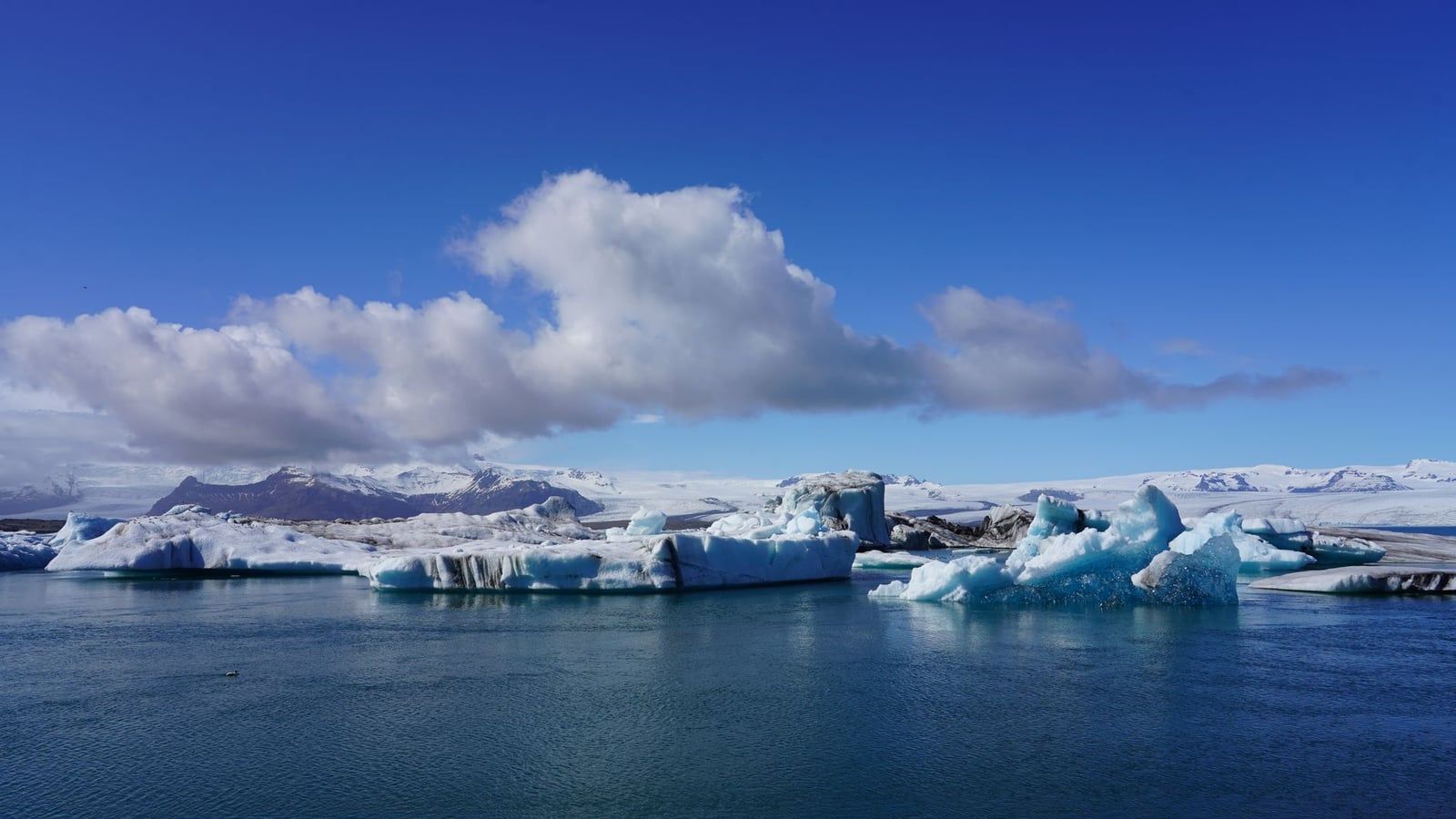
Jökulsárlón is Iceland's other major glacier-lagoon kayaking spot, and the two get compared constantly because they solve different trip shapes. Sólheimajökull is roughly a 2-hour drive from Reykjavík; Jökulsárlón is about 4.5 hours (370 km) each way. That gap alone settles it for most South Coast day-trippers.
| Sólheimajökull | Jökulsárlón | |
|---|---|---|
| Drive from Reykjavík | ~2h 15m (158 km) | ~4.5 hours (370 km) |
| Iceberg scale | Smaller icebergs, compact lagoon | Larger icebergs, open lagoon near the sea |
| Typical price per adult | $99-135 USD | Generally higher, often $150+ |
| Crowd levels | Moderate, smaller groups | Heavy, especially midday |
| Best suited to | South Coast day trips | Full ring-road itineraries |
If you're doing a single South Coast day and want ice on the water without eating your whole itinerary, Sólheimajökull wins on convenience: smaller icebergs, but you're paddling and back on the road while a Jökulsárlón day-tripper is still driving. Save Jökulsárlón for a full ring-road trip, where the larger lagoon and bigger icebergs are worth the extra hours.
Combining Kayaking with Other South Coast Sights
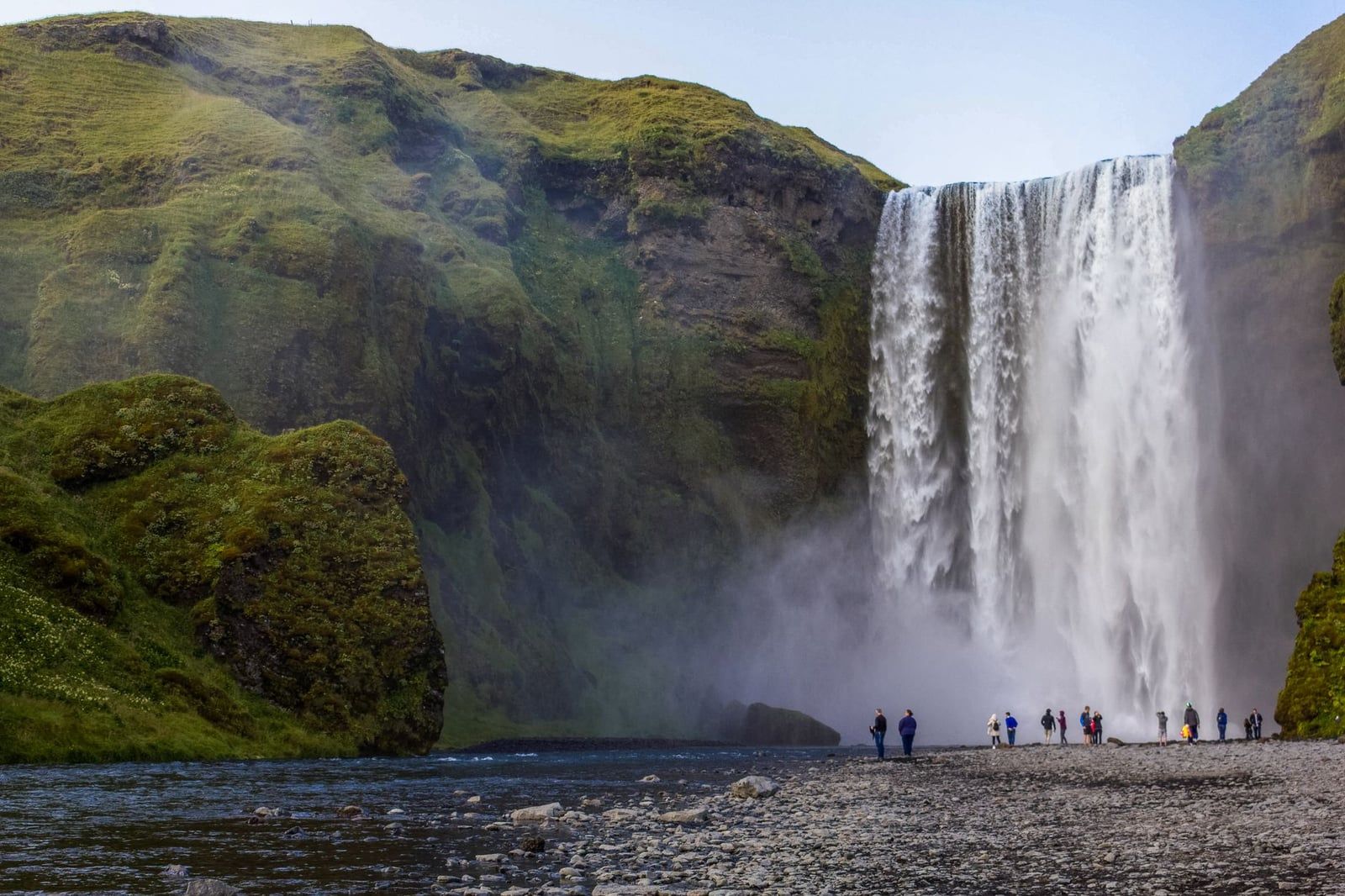
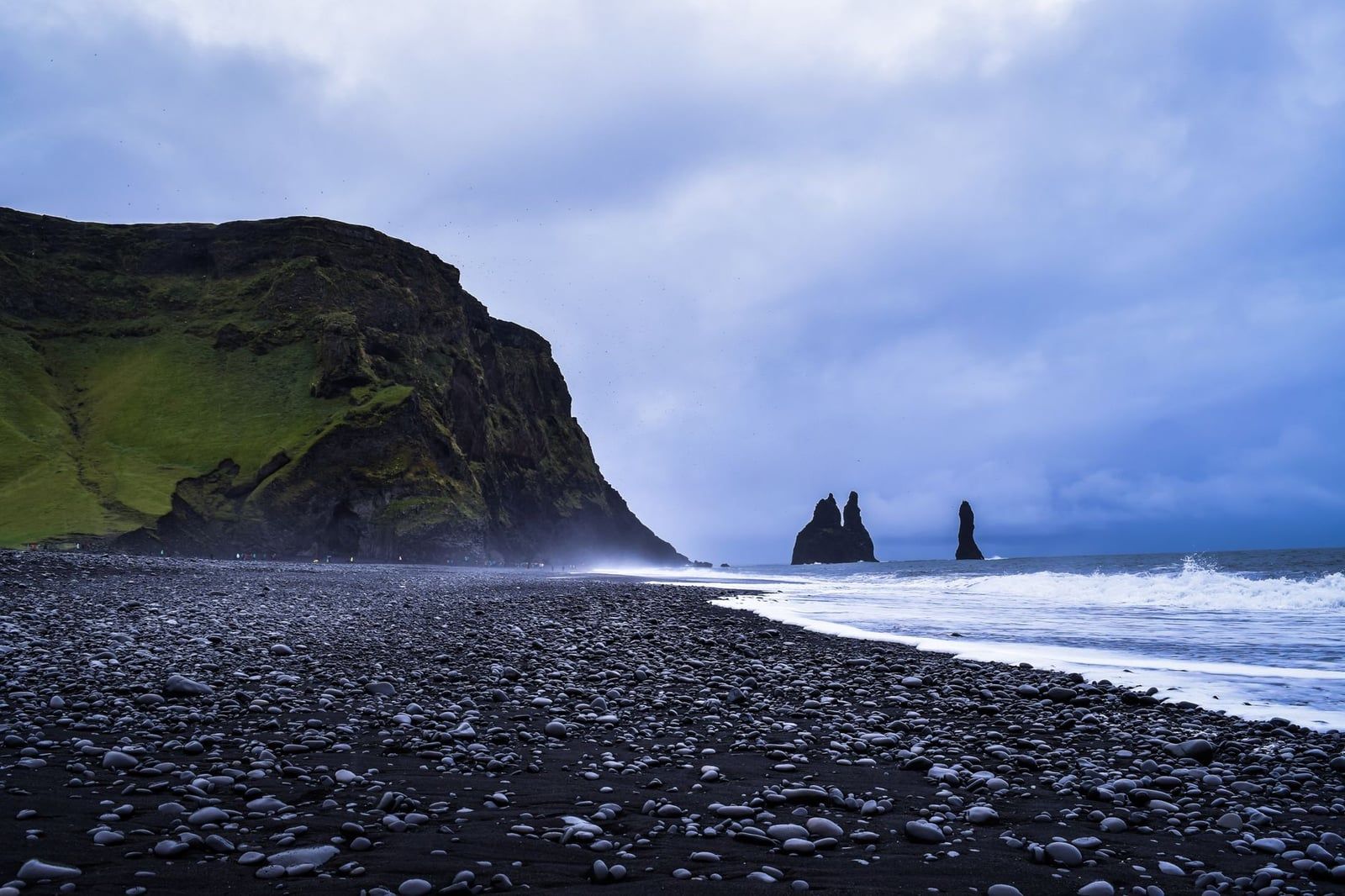
Sólheimajökull sits almost exactly between two of the South Coast's best-known stops, which makes scheduling around a fixed tour slot easy. Skógafoss, a 60-meter curtain waterfall with a staircase to a viewing platform on top, is about 30 km west. Reynisfjara's black-sand beach and basalt sea columns are 30-40 minutes east, near Vík. The Sólheimasandur plane wreck — a rusted DC-3 that crash-landed on the black sand plain in 1973 — sits about 15-20 minutes west, reached by shuttle or a roughly 4 km walk from its own parking area.
Build the day around your tour's departure time rather than the other way round: hit Skógafoss and the plane wreck before a midday kayaking slot, then finish at Reynisfjara with the afternoon light. If you'd rather stay on the ice than float in front of it, Sólheimajökull also runs guided glacier hiking tours with crampons and an ice axe, and some operators bundle a short hike with kayaking as a combo trip — worth it if you have an extra 2-3 hours. For more on the hiking side of the site, see our glacier hike planning guide.
Frequently asked questions
Do I need kayaking experience to do the Sólheimajökull tour?
No. Guides give a full on-land briefing and instruction before the group paddles out, and the kayaks used are stable tandem or single designs suited to first-timers.
How cold is the water and will I get wet?
The lagoon sits around 2-4°C, but the operator-provided drysuit seals at the wrists, ankles, and neck, so only your hands and face are exposed to the cold.
What is the minimum age for glacier lagoon kayaking?
Most operators set a minimum age of about 8-10 years old, though policies vary, so confirm with the specific company before booking a family slot.
Can I kayak at Sólheimajökull on my own without a guide?
No. There's no self-rental or unguided access — all kayaking is guided because of shifting ice, calving hazards, and the cold water.
How does Sólheimajökull kayaking compare to Jökulsárlón kayaking?
Sólheimajökull is about a 2-hour drive from Reykjavík versus roughly 4.5 hours to Jökulsárlón. Sólheimajökull's lagoon and icebergs are smaller-scale but far more convenient for a South Coast day trip.
What should I wear under the drysuit?
Warm base layers and wool socks. Avoid jeans or cotton, which stay cold and damp if any water gets in.
When is the best time of year to go kayaking at Sólheimajökull?
The tour typically runs from around May through September, when lagoon conditions are safe and accessible. Winter access is limited due to unstable ice.
How long does the kayaking tour take?
Total tour time is typically 1.5-2 hours including the land briefing, with about 45-60 minutes of actual paddling on the lagoon.